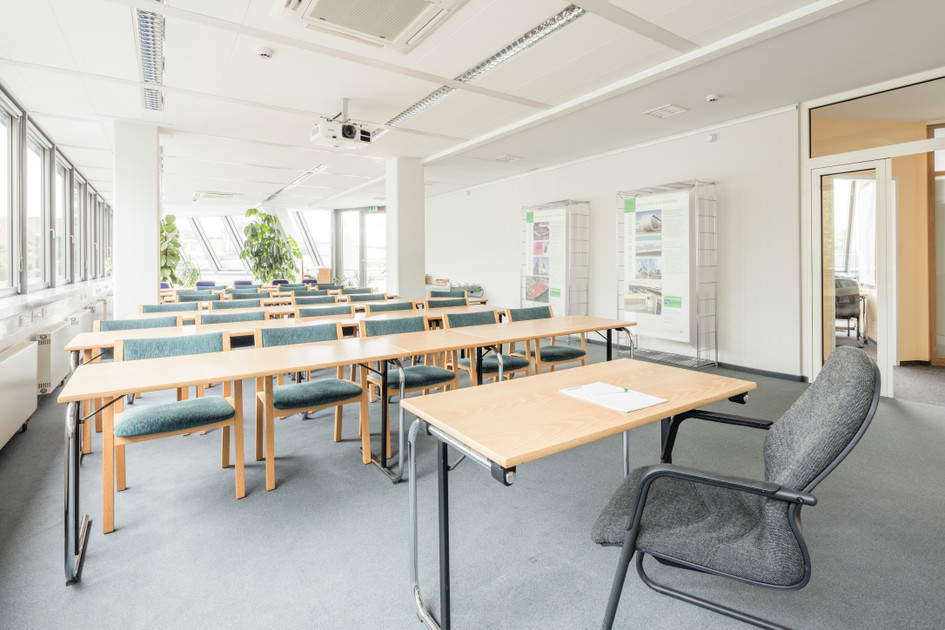
188. School Lighting Requirements: Standards, Levels & Best Practices
By Dani Thomason • Apr 29, 2026
The difference between a well-lit classroom and a poorly designed one is not just visual. It affects focus, comfort, energy levels, and ultimately how effectively students learn.
Modern school lighting is no longer just about visibility. It is about creating a balanced, adaptable, and high-performing learning environment. From meeting school lighting requirements to implementing LED lighting for classrooms, every decision plays a role in shaping the experience inside an educational space.
This guide breaks down what actually matters, including standards, recommended lighting levels, and best practices for effective classroom lighting design.
Key Takeaways
- Typical classroom lighting levels range from 30 to 50 footcandles.
- LED lighting for classrooms improves efficiency, control, and consistency.
- Strong classroom lighting design reduces glare and supports visual comfort.
- Combining daylight with smart lighting controls creates more adaptable spaces.
What Are School Lighting Requirements?
School lighting requirements define how much light is needed, how it should be distributed, and how it should perform within an educational facility.
In the United States, these requirements are based on lighting standards from organizations like the Illuminating Engineering Society These standards use footcandles, which measure the amount of illumination reaching a surface per square foot.
For a typical classroom, recommended lighting levels fall between 30 and 50 footcandles. This range supports reading, writing, and screen use while maintaining comfort for both students and teachers.
It is important to understand that proper lighting goes beyond brightness. Standards also consider uniform illumination, control of LED glare, appropriate color temperature, and a strong color rendering index. These elements work together to create a functional and comfortable educational environment.
Why Lighting in Schools Impacts Learning
The role of lighting in a classroom is often underestimated, but its effects are immediate.
Poor illumination can lead to distractions, reduced focus, and increased fatigue. Uneven light, excessive glare, or outdated light fixtures can make it harder for students to stay engaged and for teachers to maintain a consistent teaching environment.
On the other hand, well-executed school lighting supports concentration and reduces strain. It creates a space where the student can focus without visual discomfort and where the overall learning environment feels balanced.
The goal is not simply to add more light, but to create optimal lighting conditions that support learning throughout the day.
Classroom Lighting Design: Core Principles
When it comes to classroom lighting design, there are a few key factors to keep top of mind:
- Uniform lighting: Uniform illumination is one of the most important factors. When lighting levels vary across a room, it creates shadows and hotspots that strain the eyes. A consistent light level ensures that every student has the same visual experience, no matter where they sit.
- Glare: Managing glare is just as critical. Poorly positioned luminaire or overly bright sources can reflect off surfaces and disrupt visibility. Reducing glare improves both comfort and focus.
- Color temperature: Color also plays a meaningful role. Selecting the right color temperature helps maintain alertness, while a high color rendering index ensures that colors appear natural and accurate. This is especially important in subjects that rely on visual detail.
- Lighting design: Strong lighting design does not draw attention to itself. It supports the task at hand and allows the space to function seamlessly.
LED Lighting for Classrooms: The Modern Standard
There has been a clear shift away from fluorescent lights toward LED lighting, and it is easy to see why.
LED lighting for classrooms provides consistent light output, improved efficiency, and better overall performance. Unlike older systems, LEDs eliminate light flicker and reduce uneven illumination, creating a more comfortable environment.
Another advantage is flexibility. Modern LED lighting solutions allow schools to tailor their lighting systems to different activities. Whether it is focused task lighting for reading or softer ambient light for group work, LEDs make it easier to adjust the space as needed.
Over time, LED lights also reduce maintenance and energy costs, making them a practical long-term lighting solution for any school building.
Natural Light and Daylight Integration
Incorporating natural light into school lighting design can significantly improve the overall atmosphere of a space.
Access to daylight helps create a more open and comfortable educational space, supporting both focus and well-being. However, relying entirely on natural lighting can lead to inconsistent illumination, especially as conditions change throughout the day.
This is where daylight harvesting becomes valuable. By using sensors and responsive lighting controls, schools can adjust artificial lighting based on available daylight, maintaining steady lighting levels without manual intervention.
The result is a balanced environment that blends natural and artificial sources while minimizing glare.
Lighting Controls and Smart Systems
Modern lighting control systems give schools the ability to manage lighting more effectively.
Instead of fixed output, smart lighting allows adjustments based on occupancy, time of day, and available daylight. This ensures that the light level remains consistent while reducing unnecessary energy use.
Dimming systems, occupancy sensors, and daylight-responsive controls all contribute to a more efficient and adaptable setup. These adaptive lighting tools help maintain proper lighting conditions while improving overall performance of the lighting system.
Choosing the Right Fixtures and Layout
The effectiveness of any lighting system depends heavily on fixture selection and placement.
In most classrooms, panel lights and linear high bay LED lighting provide even distribution of light, reducing shadows and maintaining consistent illumination. These LED light fixtures are designed to support balanced lighting levels across the entire room.
Placement is just as important as the fixture itself. Poor spacing can lead to uneven results, even with high-quality equipment. A well-planned layout ensures that every part of the classroom receives consistent light.
Selecting the right luminaire, combined with thoughtful positioning, brings the full lighting design together.
Emergency and Outdoor Lighting Considerations
A complete school lighting strategy extends beyond interior spaces.
Emergency lighting is essential for safety, ensuring that students and staff can exit the school building during power outages or unexpected events. These systems must meet strict U.S. lighting standards and remain reliable at all times.
At the same time, outdoor LED lighting supports visibility and security across the broader educational facility. Walkways, entrances, and parking areas require consistent illumination to maintain safe conditions after dark.
Together, these elements ensure that the entire educational environment is properly lit.
Common Mistakes in School Lighting Design
Even with clear school lighting requirements, a few common issues still appear.
- One of the most frequent is over-lighting. Increasing light output does not always improve visibility and can often lead to more glare and discomfort.
- Another issue is relying on outdated fluorescent lights, which tend to produce inconsistent illumination and require more maintenance over time.
- Poor fixture placement can also create uneven lighting levels, especially when layouts are not carefully planned. Without proper lighting measurements, it becomes difficult to confirm whether the intended light level has been achieved.
Avoiding these challenges comes down to thoughtful planning and well-executed lighting design.
Final Thoughts: Lighting as a Foundation for Learning
At its core, school lighting is about creating a space that supports learning without distraction.
From meeting U.S. school lighting requirements to implementing modern LED lighting for classrooms, every decision contributes to the overall experience. When lighting in schools is done well, it becomes invisible, allowing students and teachers to focus fully on their work.
The right balance of illumination, control, and design creates a more effective and comfortable learning environment.
Ready to Upgrade Your School Lighting?
At OEO Energy Solutions, we design and deliver high-performance commercial lighting systems tailored for educational environments across the U.S. From advanced LED lighting solutions to fully customized lighting systems, we help schools meet modern standards while improving efficiency and comfort.
If you are planning an upgrade or designing a new school building, our team can help you create a lighting solution that delivers consistent illumination, reduces energy costs, and supports a better educational environment for every student.