186. Office Lighting Requirements: Recommended Levels & Design Guidelines
By Dani Thomason • Apr 29, 2026
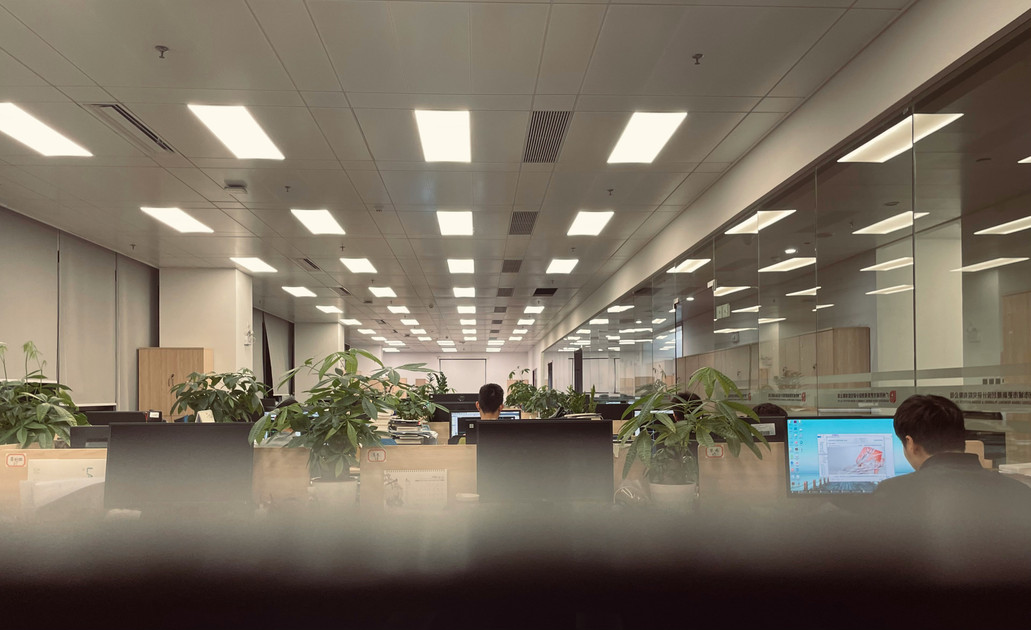
When it comes to lighting workplace environments, the impact goes far beyond visibility. The right office lighting setup influences focus, energy levels, and how comfortably people can work throughout the day. Get it right, and productivity flows. Get it wrong, and even simple tasks can feel unnecessarily draining.
Modern workplace lighting is no longer just about installing brighter fixtures. It is about creating a balanced, layered system that supports different tasks, minimizes fatigue, and aligns with both lighting standards and real-world usage.
This guide breaks down office lighting requirements, recommended illumination levels, and practical design strategies to help you create a more effective and comfortable workspace.
Key Takeaways
- Recommended office lighting in the U.S. typically ranges from 30 to 50 footcandles
- Workplace lighting should balance ambient, task, and accent layers
- Poorly designed lighting can lead to fatigue, discomfort, and reduced productivity within the workplace
What Are Office Lighting Requirements?
Office lighting requirements define how much light is needed in a workspace and how that illumination should be distributed to support daily tasks.
In the United States, these requirements are typically measured in footcandles, which represent the amount of light reaching a surface. For reference, one footcandle equals approximately 10.764 lux, though most U.S. workplace lighting standards prioritize footcandles.
For most offices, recommended levels fall between 30 and 50 footcandles. This range provides adequate lighting for reading, writing, and screen-based work without creating excessive brightness or poor lighting conditions.
Beyond brightness, lighting requirements also consider uniformity, LED glare control, and overall comfort. The goal is to achieve proper illumination that supports productivity without drawing attention to the lighting system itself.
Why Workplace Lighting Matters
The effects of workplace lighting are often underestimated, but they show up quickly in day-to-day performance.
In environments with poor lighting, employees may experience eye fatigue, difficulty focusing, and reduced accuracy. Over time, this can lead to lower productivity and increased discomfort.
On the other hand, well-designed office lighting creates a more stable and comfortable environment. It supports concentration, reduces strain, and helps maintain consistent energy levels throughout the day.
This is why lighting workplace design is not just a technical consideration. It is a key part of creating a functional and efficient workspace.
Recommended Office Lighting Levels
When designing office lighting, hitting the right illumination range is essential.
For general office tasks, lighting standards typically recommend:
- 30 to 50 footcandles for desks and workstations
- Higher levels for detailed tasks or specialized work areas
While these numbers provide a baseline, they are not the full picture. The quality of light matters just as much as the quantity.
Consistent distribution, reduced glare, and proper placement of lighting fixtures all contribute to how effective the lighting level feels in practice.
Office Lighting Design: Building a Layered System
Strong office lighting design is built around layers. Instead of relying on a single source, effective spaces combine different types of lighting to support a range of activities.
At the foundation is ambient lighting, often provided by ceiling lights or a panel light setup. This creates general illumination across the entire space.
From there, task lighting adds focused light where it is needed most, such as desks or meeting areas. This is especially important for reducing strain during detailed work.
Finally, accent lighting can be used to highlight architectural features or create a more visually balanced environment.
When these layers work together, they create a flexible and comfortable lighting system that adapts to different needs throughout the day.
LED Lighting for Modern Offices
There has been a clear shift toward LED lighting in office environments, and it is not hard to see why.
Compared to traditional fluorescent lights, LED lights provide more consistent illumination, better efficiency, and longer lifespans. They also offer greater control over brightness and distribution, making them ideal for modern office lighting design.
Another advantage is adaptability. Many LED lighting solutions integrate with advanced controls, allowing businesses to adjust light levels based on occupancy or time of day.
Over time, this leads to lower energy costs and a more reliable lighting system, making LED lighting a practical choice for long-term performance.
Natural Lighting and Indoor Balance
Incorporating natural lighting into an office can significantly improve the overall environment.
Access to daylight helps reduce reliance on artificial lighting and creates a more open, comfortable atmosphere. However, it needs to be balanced carefully. Too much direct sunlight can introduce glare and inconsistent illumination.
This is where thoughtful indoor lighting design comes into play. By combining natural light with controlled artificial sources, businesses can maintain stable lighting levels throughout the day.
The goal is to create a seamless blend that supports productivity without introducing visual discomfort.
OSHA Lighting Standards and Office Compliance
While office lighting requirements often focus on comfort and productivity, they must also align with OSHA lighting standards.
These standards establish minimum illumination levels to ensure workplace safety. While offices typically exceed these minimums, compliance is still essential.
Following OSHA lighting requirements ensures that workspaces provide adequate lighting for safe movement and task execution. It also reduces the risk of accidents caused by insufficient visibility.
For most offices, meeting OSHA guidelines is straightforward, but it remains an important part of overall lighting strategy.
Choosing the Right Fixtures and Lighting Options
The effectiveness of any lighting system depends heavily on the fixtures used.
Modern offices often rely on a mix of lighting fixtures, including overhead lights, panel light systems, and occasionally pendant lights for design-focused spaces. Each light fixture contributes to overall illumination and visual comfort.
Selecting the right lighting options involves more than aesthetics. It requires consideration of distribution, placement, and long-term performance.
Even something as simple as choosing the right LED light bulb or light source can influence how consistent and comfortable the light feels across the space.
Temporary and Emergency Lighting Considerations
While permanent systems handle most needs, temporary lighting can play a role during renovations, expansions, or transitional phases.
Even in these situations, lighting requirements still apply. Temporary setups must provide enough illumination to maintain safe working conditions.
At the same time, emergency lighting is a critical component of any office. It ensures visibility during power outages and supports safe evacuation.
Together, these systems reinforce both safety and reliability across the workspace.
Common Office Lighting Mistakes
Even with clear lighting standards, certain issues still come up.
One of the most common is relying on outdated systems like fluorescent lights, which often produce uneven illumination and require frequent maintenance.
Another issue is poor layout planning. Without proper spacing, even high-quality lighting fixtures can result in inconsistent lighting levels.
Over-lighting is another common mistake. Too much brightness can create glare and discomfort, leading to reduced productivity rather than improvement.
Avoiding these issues comes down to thoughtful office lighting design and a clear understanding of how light interacts with the space.
Final Thoughts: Designing for Productivity and Comfort
At its core, recommended office lighting is about creating an environment where people can work comfortably and efficiently.
From meeting office lighting requirements to implementing modern LED lighting solutions, every decision contributes to the overall experience. When workplace lighting is done well, it fades into the background and supports everything happening within the space.
The right combination of illumination, control, and design creates a workspace that feels balanced, functional, and ready for anything.
Ready to Upgrade Your Office Lighting?
At OEO Energy Solutions, we design and deliver high-performance commercial lighting systems tailored for modern workplaces. From advanced LED lighting to fully customized lighting solutions, we help businesses create environments that meet lighting standards, improve efficiency, and enhance comfort.
If you are planning a new office or upgrading an existing space, our team can help you build a lighting system that delivers consistent illumination and long-term performance.